Advanced Corrosion Testing Services to Extend Material Life
Corrosion is a natural process that occurs when materials react with the surrounding environment, leading to gradual degradation and reduced lifespan. Industries that rely on metals and engineered components often face significant challenges due to corrosion, as it directly impacts performance, safety, and maintenance costs. This makes corrosion testing services a critical part of quality assurance and material evaluation.
Environmental conditions such as temperature, humidity, exposure to chemicals, and atmospheric pollutants play a major role in accelerating corrosion. Even slight variations in these factors can lead to substantial differences in how materials behave over time. Without proper evaluation, materials may fail prematurely, resulting in costly repairs or operational downtime.
This is where Corrosion Testing Services becomes essential. Our services help simulate real-world corrosive environments under controlled conditions, allowing engineers to assess the durability and resistance of materials before being deployed in actual applications. By identifying vulnerabilities early, industries can make informed decisions regarding material selection, protective coatings, and maintenance strategies.
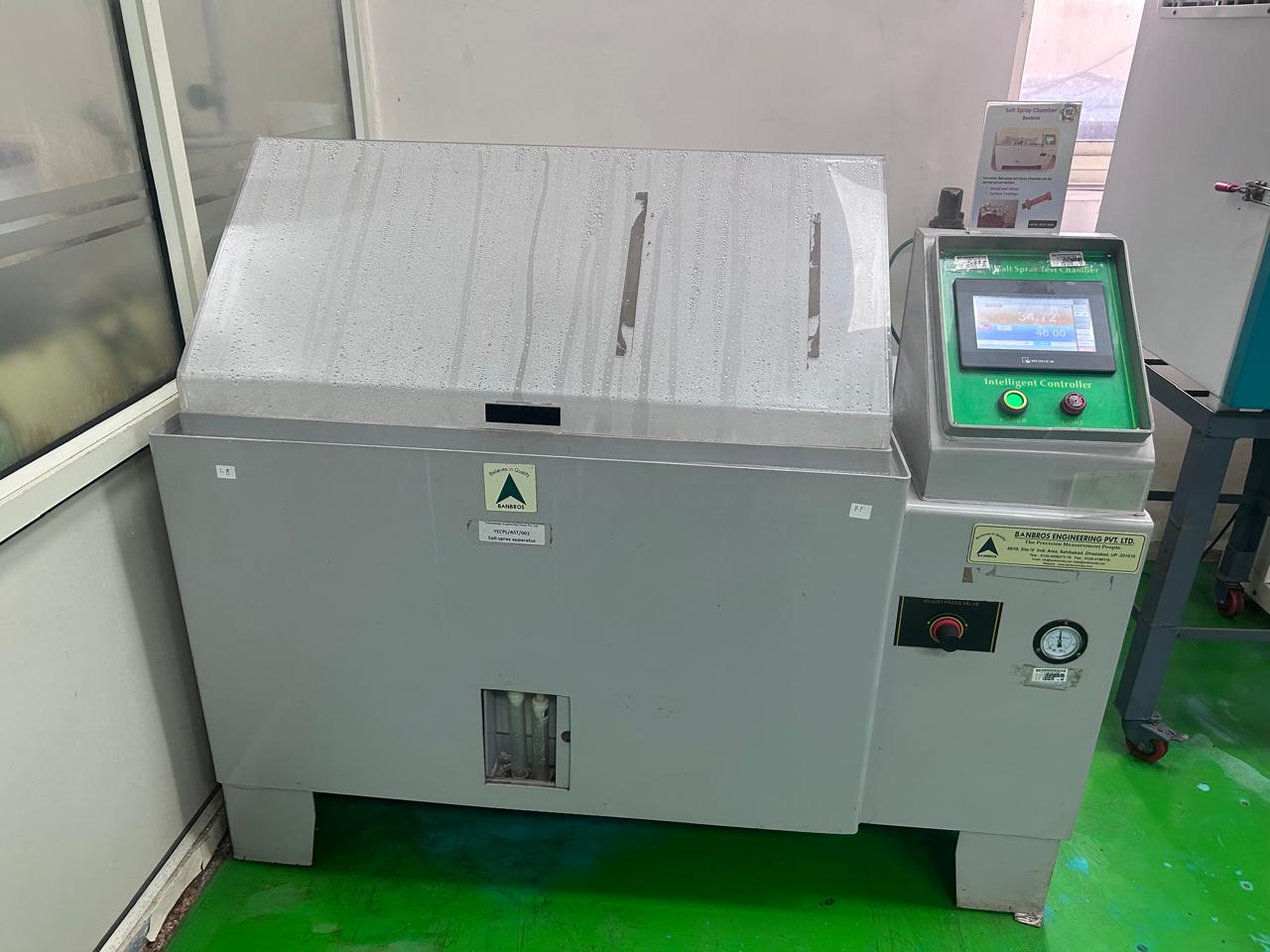
One of the most widely used methods in corrosion evaluation is Salt Spray Testing (as per ASTM B117). This technique exposes materials to a highly corrosive saline environment, replicating harsh conditions that are commonly found in coastal regions. It helps in understanding how coatings, finishes, and base materials perform over extended exposure in corrosive environments. The results obtained from such tests are crucial for predicting the long-term performance of materials and ensuring compliance with quality standards.
The second key corrosion evaluation is Intergranular Corrosion (IGC) testing as per ASTM A262. It is a vital method for determining the susceptibility of austenitic stainless steels (SS grades) to grain boundary attack caused by sensitization. The standard comprises a series of practices (A to E), each tailored to highlight different material responses under corrosive conditions, ranging from rapid screening techniques to more detailed quantitative assessments. At our laboratory, all practices under ASTM A262 are performed to deliver a thorough evaluation, enabling manufacturers to validate material integrity, mitigate the risk of premature failure, and comply with stringent quality requirements across diverse industries.
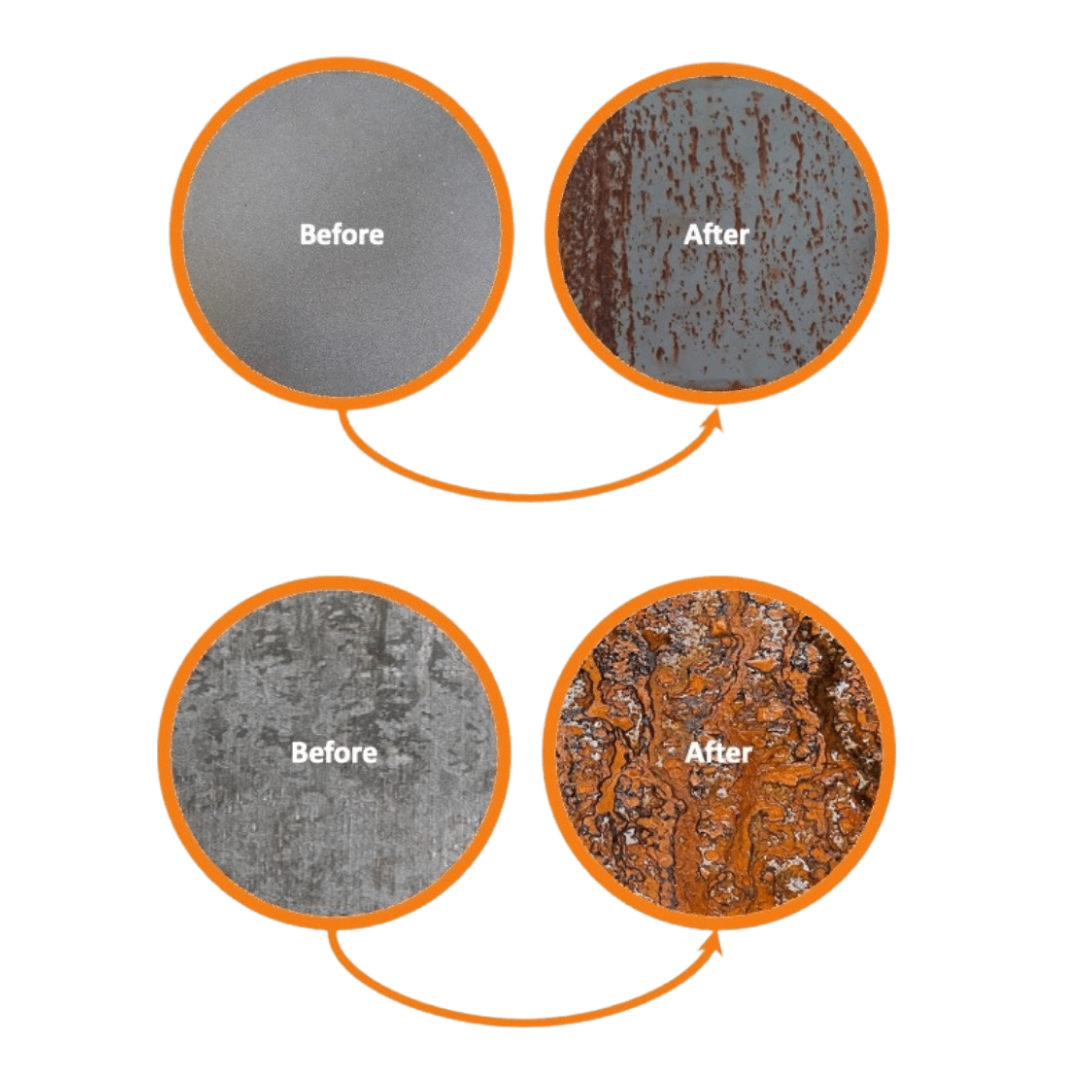
The third important corrosion assessment is Pitting and Crevice Corrosion testing as per ASTM G48. This testing is extensively used to evaluate the resistance of stainless steels and allied alloys to localized corrosion in highly aggressive, chloride-rich environments. At our laboratory, these tests are performed under carefully controlled conditions to simulate severe service environments, helping clients to select the material, enhance component durability, and meet demanding application standards in sectors such as oil & gas, marine, and chemical processing.
At YEC, advanced testing capabilities and adherence to national and international standards ensure reliable and accurate results. The focus is on delivering precise evaluations that help industries maintain high-quality benchmarks and extend the lifecycle of their products.
In today’s competitive industrial landscape, investing in Corrosion Testing Services is not just about compliance, it is about ensuring long-term reliability, reducing risks, and enhancing overall product performance.
